

Sell Inherited Land in New York: Guide for Landowners
How to Sell Inherited Property in New York
If you've inherited land in New York, selling it starts with confirming legal ownership, completing any required probate steps, and determining fair market value. The sale price depends on factors like location, acreage, zoning, and current market conditions. When selling inherited property with multiple co-owners, every party with an ownership stake must agree on the terms, or the property must go through a legal partition process. New York's probate system operates through Surrogate's Court and can take longer than many other states, but understanding the steps helps you move forward with confidence. Whether you received a small residential lot or a larger rural tract, knowing the process puts you in control.
Understanding Capital Gains Tax on Inherited Property

One of the first questions landowners ask after receiving inherited property is about taxes. New York does not impose a separate state inheritance tax. However, New York does have an estate tax with an exemption of $6.94 million for 2026, which is significantly lower than the federal exemption. Estates above that threshold face graduated New York estate tax rates. For most families inheriting vacant land, the estate value falls below these limits and no estate tax is owed.
Federal capital gains tax may apply when you sell inherited property. Land and homes receive a stepped-up cost basis equal to the fair market value at the date of the decedent's death. This stepped-up basis eliminates gains tax on all appreciation that occurred during the previous owner's lifetime. You only pay capital gains tax on gains from selling above that stepped-up value.
For example, if your parent purchased land for $15,000 and it was worth $90,000 at the time of their passing, your basis is $90,000. If you sell the property for $95,000, you would only owe tax on the $5,000 difference. Federal long-term capital gains rates for 2026 are 0% for income up to $48,350 (single filers), 15% for income between $48,351 and $533,400, or 20% above that threshold. Most people who sell inherited property fall in the 0% or 15% bracket, according to the IRS.
New York State also taxes capital gains as ordinary income at rates up to 10.9%. This is an important consideration that does not apply in states without income tax. If you sell the property immediately after inheriting it, there is typically minimal capital gains tax because the selling price is close to the stepped-up basis. The tax implications can get complex, so report the transaction on your return and consult a professional to navigate the complexities of selling.
Keep in mind that the federal estate tax exemption for 2026 is $13.99 million per individual. Whether you decide to keep the property, sell your land, or explore how the land can be used for other purposes, understanding these obligations helps you avoid paying capital gains tax where legally possible. You can avoid capital gains tax by selling at a price close to the stepped-up basis, timing the sale carefully, or consulting a professional about exclusions.
How to Sell an Inherited Property in New York
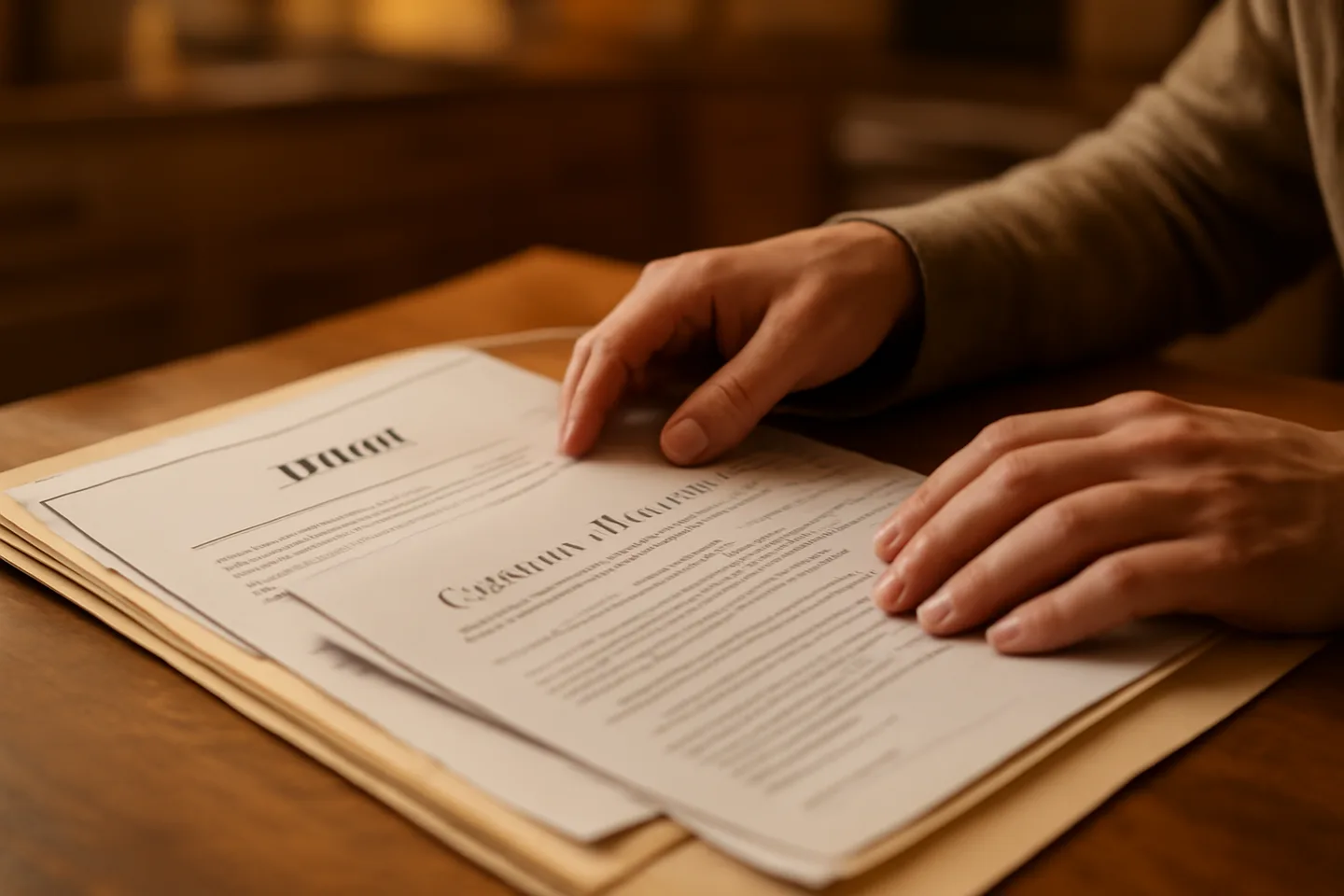
The process of selling inherited property in New York follows several key steps. First, confirm that probate is complete or that you have court authorization to sell. New York probate is handled through Surrogate's Court in the county where the decedent resided. The process typically takes 7 to 15 months depending on estate complexity. If the estate is valued at $50,000 or less in personal property (excluding real estate), New York allows a small estate proceeding that simplifies the process.
Once you have clear title through Letters Testamentary or Letters of Administration, get a professional appraisal to establish property value. This determines your basis and helps set a competitive asking price. Check for any liens on the property, including unpaid taxes, utility balances, or contractor claims. Resolving these before listing prevents delays at closing. A tax professional can help you understand the capital gains implications and any applicable exclusions.
If multiple heirs inherit the property, all co-owners need to agree on the sale terms. When one heir wants to sell the inherited property but another wants to keep the property, New York law provides options through partition actions filed in Supreme Court. Getting all parties on the same page early avoids costly legal disputes.
To sell inherited land efficiently, gather the death certificate, probate documents, deed, and any survey records. If you want to sell quickly, working with a direct land buyer can streamline the process. Companies like ours buy inherited property directly, often closing in as little as 2 weeks with no commissions or repairs. For landowners in areas like Suffolk County, this approach eliminates the uncertainty of listing on the open market. Whether you received a small parcel or a larger tract, having your documents organized makes every step smoother.
New York-Specific Considerations for Selling Inherited Property
New York has several laws that directly affect how you sell your inherited property. If you have inherited property with multiple owners and cannot reach agreement, any co-owner can file a partition action in New York Supreme Court. New York adopted the Uniform Partition of Heirs Property Act (UPHPA) in 2023, which provides important protections for co-owners of inherited land. Under UPHPA, courts must first determine value through an independent appraisal and offer a buyout option before ordering a forced partition sale.
Heir property is a common situation in New York, especially in families where land was passed down for generations without a formal will. If you inherit land this way, establishing clear title through a quiet title action or proceedings in Surrogate's Court is essential before you can sell the property. The value of your inherited parcel depends heavily on having clean, transferable title.
When you decide to sell, New York imposes a real estate transfer tax of $2 per $500 of the sale price (0.4%). In addition, sellers of property valued at $3 million or more pay an additional 0.65% "mansion tax" surcharge. New York City properties carry additional transfer taxes, but for land sales elsewhere in the state, the base transfer tax is the primary cost. Recording fees vary by county but typically range from $25 to $75.
New York State capital gains are taxed as ordinary income at rates up to 10.9%, which can significantly impact your net proceeds if the property has appreciated beyond the stepped-up basis. Whether you sell an inherited home, vacant lot, or rural acreage, working with a title company familiar with inherited property transfers in New York is wise. Landowners in rural areas like Ulster County or the Dutchess County Hudson Valley often find that a direct sale is the fastest path to closing. Understanding these New York-specific rules helps reduce your tax liabilities and ensures a smooth transaction.
Inherited Property FAQ for New York Landowners
Do I have to pay taxes when I sell inherited property?
When you sell inherited property in New York, you may owe federal capital gains tax on any appreciation above the stepped-up fair market value at the date of death. New York also taxes capital gains as ordinary income at rates up to 10.9%. If the sale occurs shortly after the owner's passing, the market value is often close to the sale price, meaning little or no gains are owed. Whether you sell a house, an inherited home, or vacant land, report the transaction on both your federal and New York State returns. Consult an advisor to understand your specific potential tax obligations.
Is it better to keep or sell inherited property?
Whether to sell or keep inherited property depends on your financial goals. If you choose to sell inherited property, you benefit from the stepped-up basis, which can minimize what you owe. Keeping the property may make sense if you want to use it or hold it as an investment that could appreciate. Consider ongoing costs like property taxes, insurance, and maintenance. In New York, property taxes are among the highest in the nation, which makes holding vacant land particularly expensive. If you do not plan to use the inherited property, selling often makes more financial sense. A direct land buyer can close quickly if you want a straightforward process.
Are you an heirs' property landowner who inherited land without clear or documented legal ownership?
Heirs' property is common in New York, especially in families where land was passed down for generations without a formal will. If you sell an inherited house or parcel without first clearing the title, the sale can be delayed or blocked entirely. To sell inherited property with unclear ownership, you may need to file a quiet title action, proceed through Surrogate's Court, or obtain an affidavit of heirship. New York's UPHPA provides protections for co-owners during the sale, ensuring fair value is established before any forced partition. If you are unsure about your ownership status, a real estate attorney can help you determine the best path forward.
How long does probate take in New York?
New York probate typically takes 7 to 15 months through Surrogate's Court, depending on estate complexity. Simple estates with a valid will and no disputes can move faster. If there is no will, the court appoints an administrator through an intestacy proceeding, which can add several months. You can sell inherited property once you receive Letters Testamentary or Letters of Administration from the court, which authorize you to transact on behalf of the estate. Some sellers choose to work with a direct buyer during probate to lock in a deal that closes once authorization is granted.
Your Options for Selling Inherited Land in New York
Selling an inherited property in New York does not have to be complicated. While New York's estate and income tax landscape requires more attention than some states, the stepped-up basis protects you from owing taxes on decades of prior appreciation. Whether you sell your home, sell an inherited house, or sell vacant land, the process follows the same core steps.
If you have inherited property and want to sell without the hassle of listing, repairs, or waiting months for a buyer, we can help. We buy inherited land directly and handle the paperwork, often closing in as little as 2 weeks. Reach out to learn what your property is worth and explore your options with no obligation.
Need to sell your New York land? We buy land directly from owners for cash, with no fees, no commissions, and we close in as little as 2 weeks.
Loading form...
Sell Your New York Land for Cash
Ready to sell? We buy land directly from owners across New York. Get a fast, no-obligation cash offer.